The London House Manual
Thoughts on caring for, repairing, retrofitting and extending London houses
〰️
Thoughts on caring for, repairing, retrofitting and extending London houses 〰️
Thoughts on caring for, repairing, retrofitting and extending London houses
〰️
Thoughts on caring for, repairing, retrofitting and extending London houses 〰️
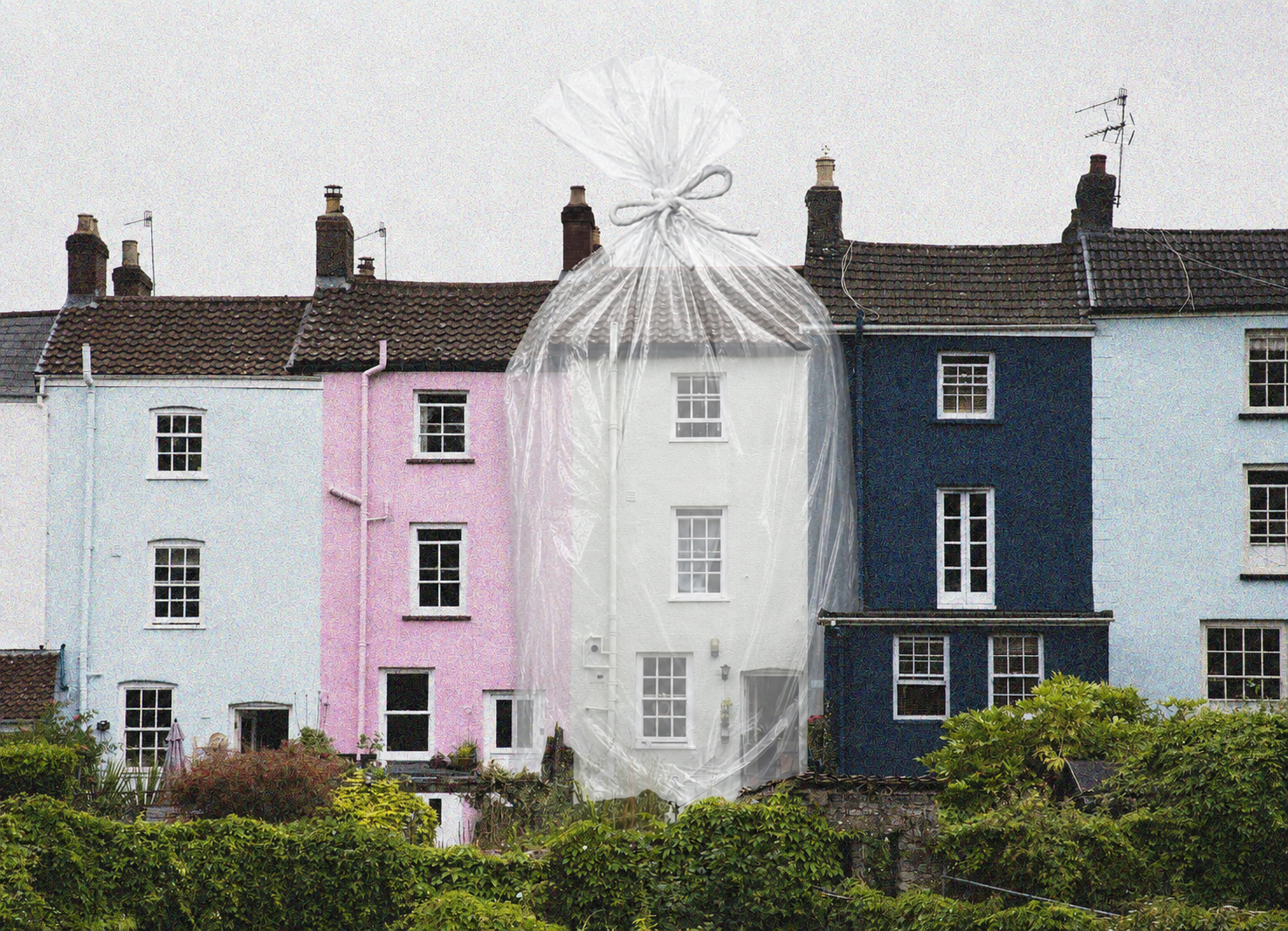
Why do old houses need to breathe?
Old houses need to breathe because they were built with materials that manage moisture slowly. Solid brick, lime mortar and timber can absorb and release vapour over time, helping the building dry out after wet weather, condensation or small leaks. Seal that material chemistry with impermeable products and damp often follows.
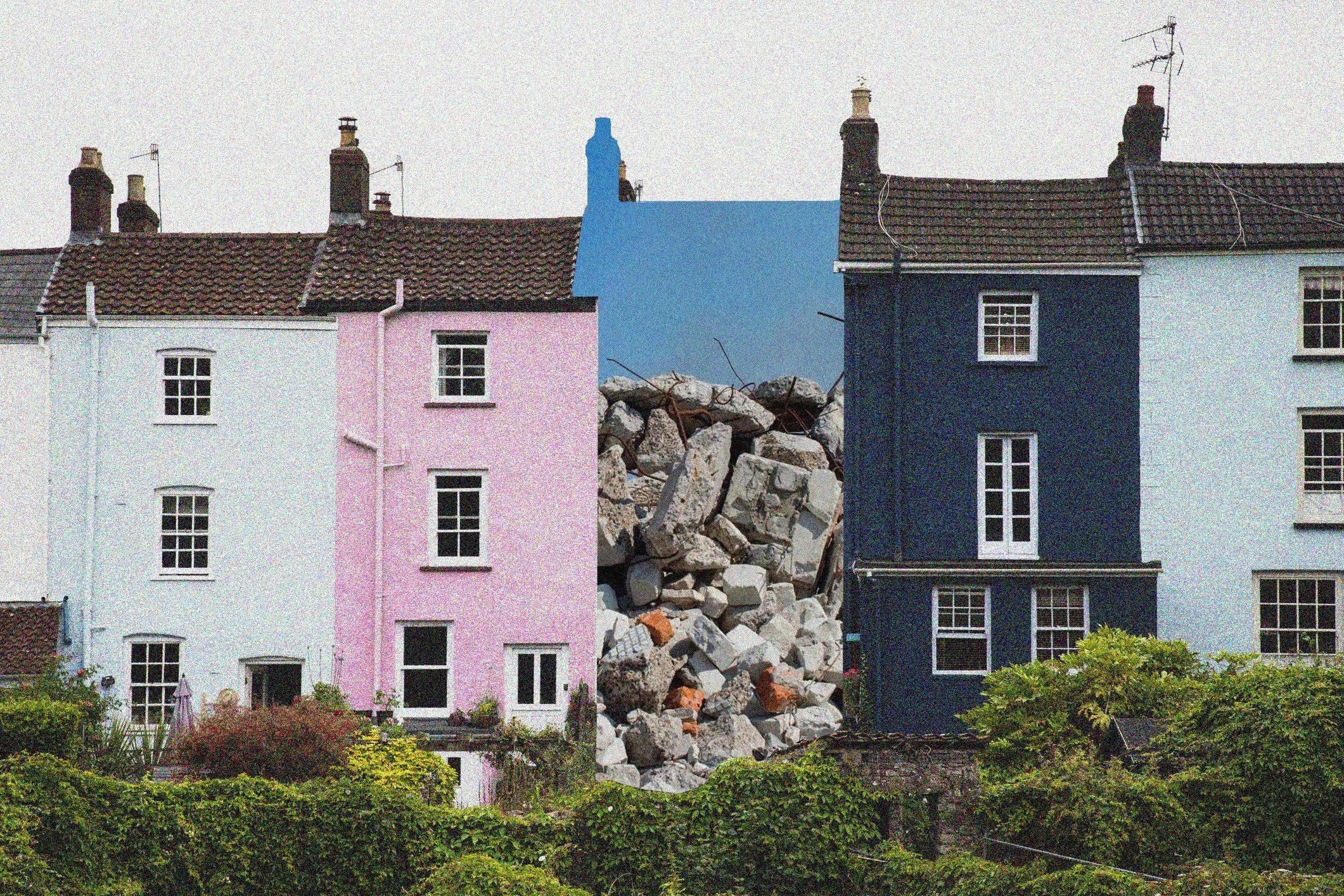
Where is the carbon in my house?
Before you extend, retrofit or refurbish, your home already holds a huge store of embodied carbon in its walls, roof, windows and foundations. Understanding where that carbon sits, and choosing reclaimed, reused or plant-based materials for anything new, can make your renovation far lower carbon.
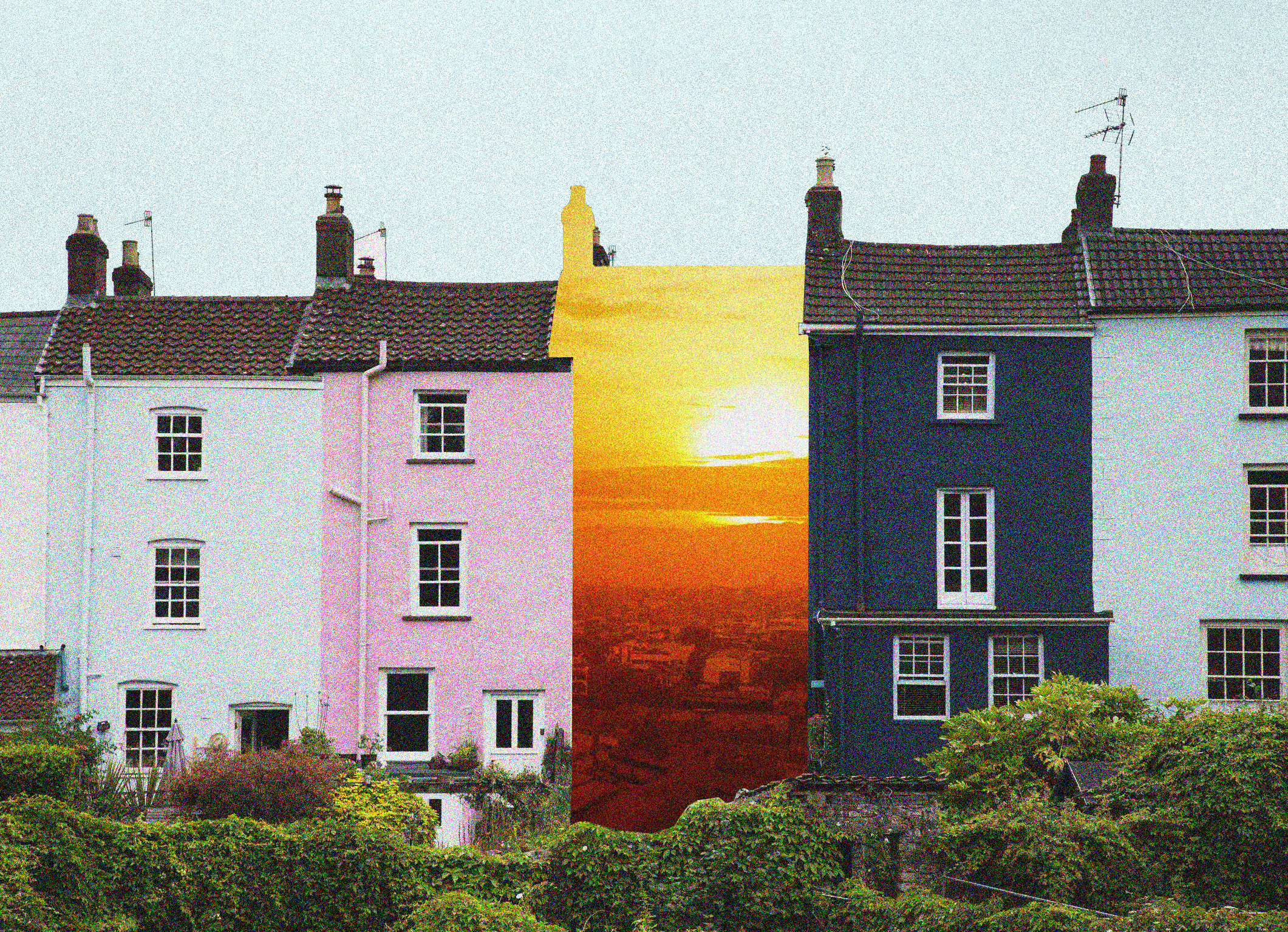
How to deal with overheating in London houses
To stop a London house overheating, first reduce the amount of heat entering the building. This usually means shading windows and rooflights, improving ventilation, carefully considering insulation, reducing hard landscaping and choosing materials that slow heat transfer. Mechanical cooling should come later, where it is genuinely needed.
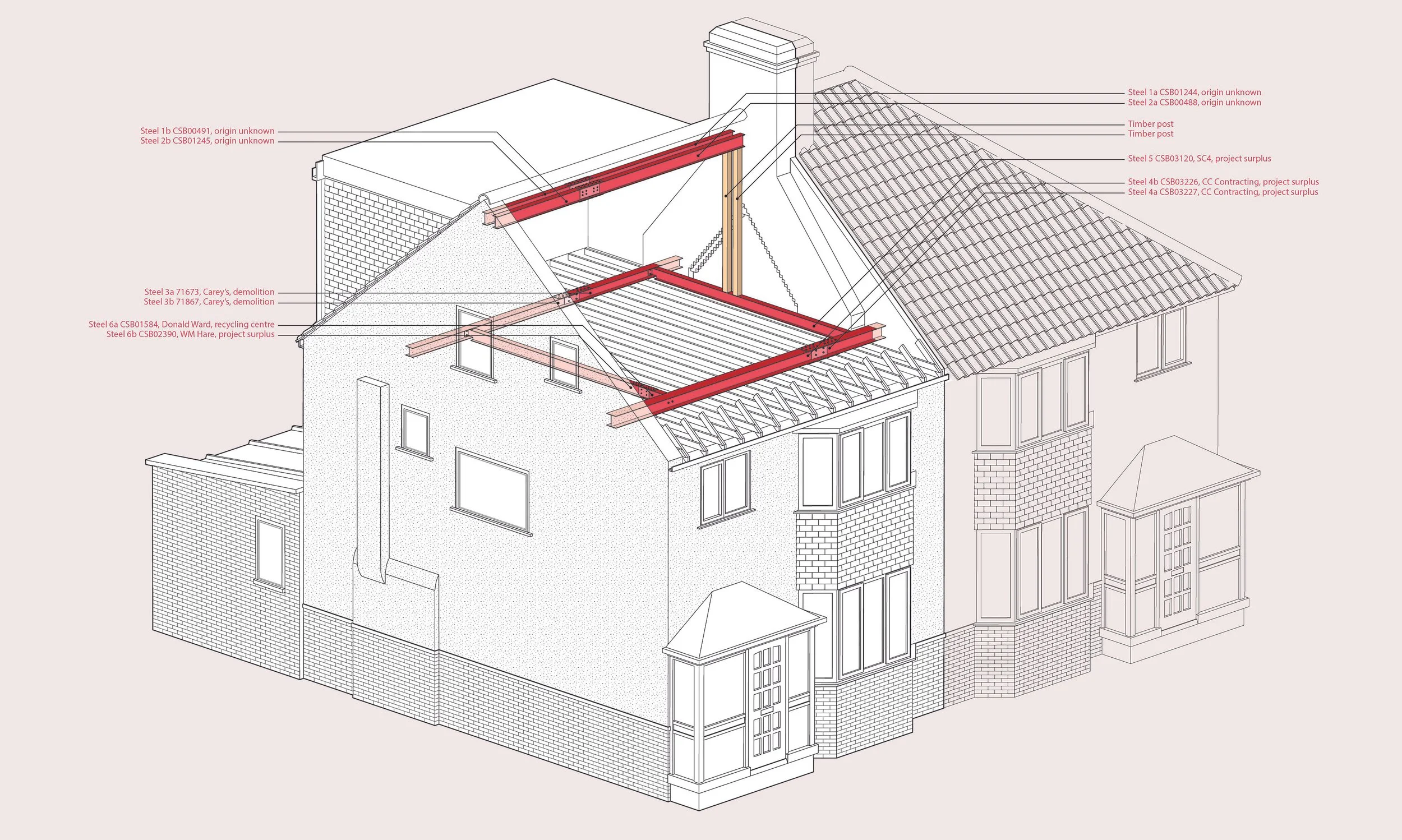
In the AJ: Working with reclaimed steel
Mike Tuck Studio’s Merriman Road project has been featured in The Architects’ Journal as part of its “In practice” series, with Mike Tuck and Ellen Peirson looking at the studio’s experience of using reclaimed steel beams on a domestic extension project.

Building with stone
As part of our RIBA research grant, we’ve been looking at both ancient and modern ways of building with stone
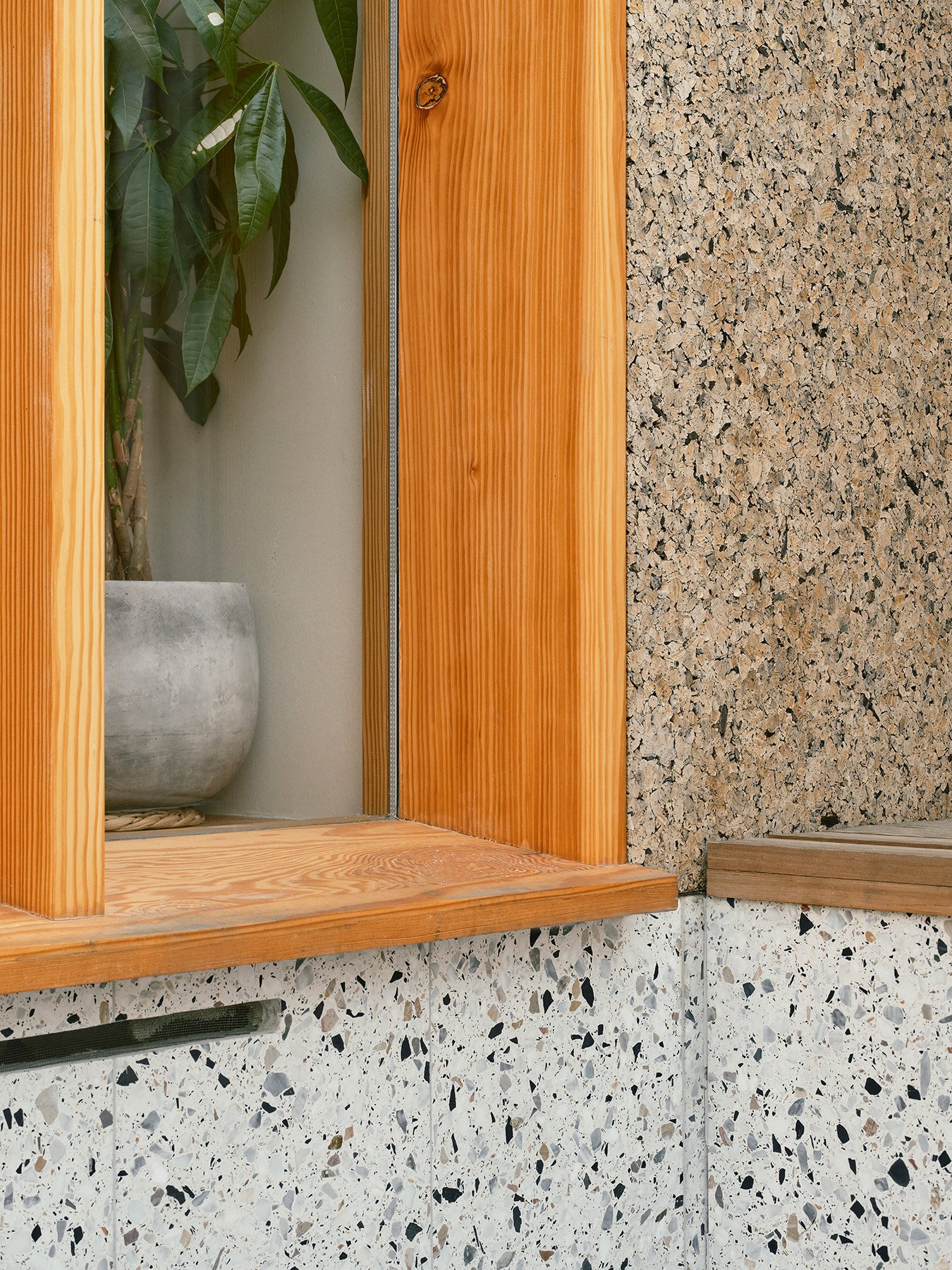
The legacy of cork
Cork is a material with a magical combination of insulation and beauty. What is it and how can it be used?
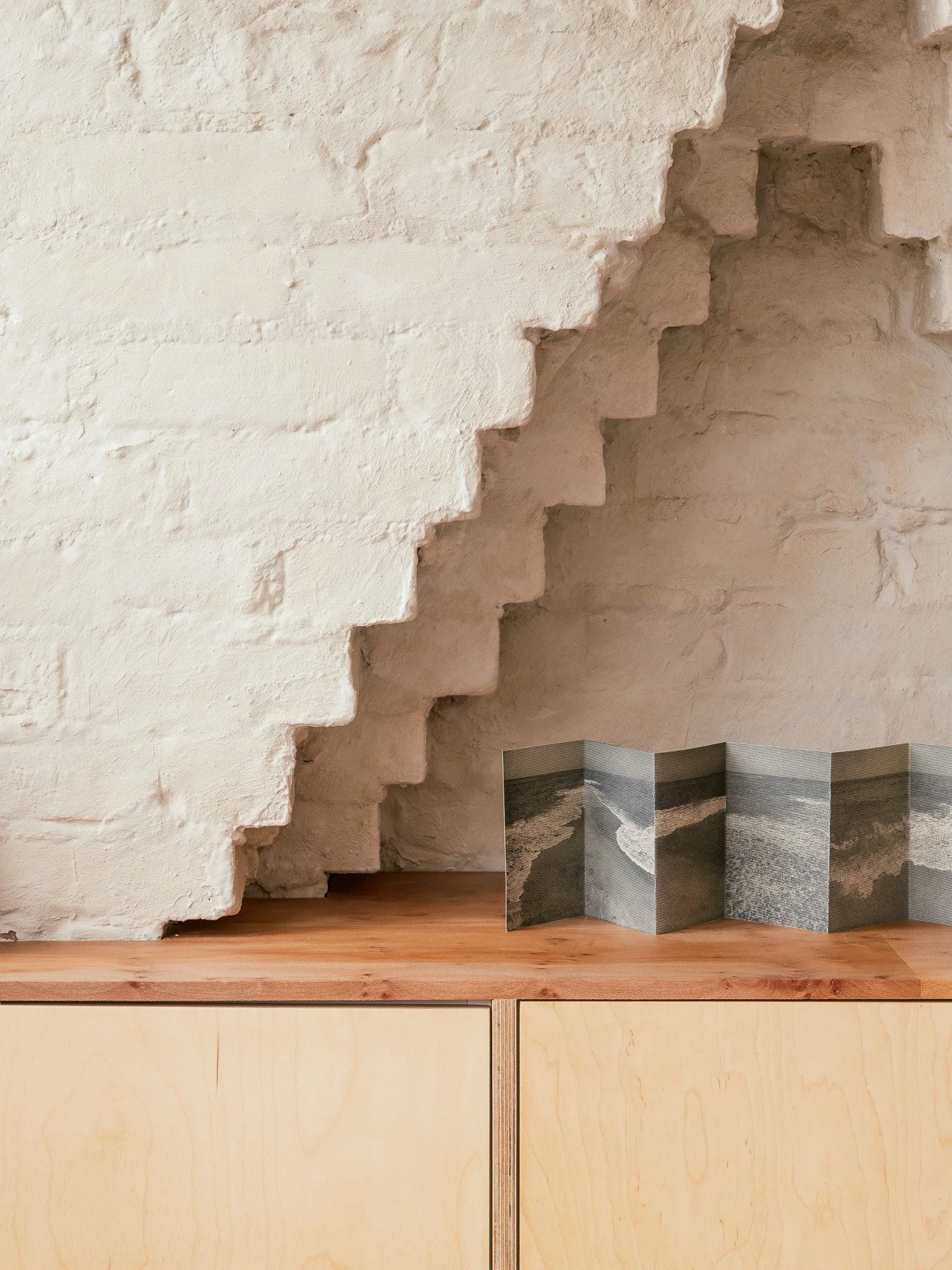
What is lime?
In a series of posts we’ll be exploring different materials and techniques which are natural and often low-carbon methods of construction. We often use lime in our projects but what is it and why is it good for a building?